



When listing your home, it is natural to want the absolute highest return on your investment. Here in Sacramento Metro, sellers often consider an aspirational pricing strategy: "Let’s price it high just to see what happens. We can always come down later, and it leaves us room to negotiate." While that thinking makes sense, it tends to work against you. Pricing a house too high triggers a chain reaction that costs time, visibility, and cold, hard cash. In an uneven market, overpricing from the outset rarely yields a higher sales price. Instead, it systematically reduces your net proceeds. Here is the breakdown of what overpricing can cost a seller. 1. The Search Bracket Filter: Getting Erased Before Buyers Even See You Today’s real estate buyers don’t browse aimlessly. They use online searches and set rigid search parameters based on price brackets. These brackets typically move in increments of $25,000 or $50,000 (e.g., $450,000 to $500,000). When you choose an aspirational price, you inadvertently shift your home into an entirely different tier of competition. If your home’s true market value is $490,000, but you list it at $515,000 "to leave room for negotiation," you drop off the radar of buyers looking under $500,000. These are the exact buyers who would see your home as a premium, top-tier option. Instead, your home is now competing against properties that are legitimately worth $525,000. Compared to them, your home may look smaller, less updated, or poorly located, causing buyers to pass it over entirely. Does overpricing hurt a home sale? Yes, because it makes your listing invisible to its ideal audience from day one. 2. The Psychology of Days on Market: The "What's Wrong With It?" Effect Real estate moves on momentum. The first 14 to 21 days a listing is live represent its peak visibility and highest emotional leverage. Buyers look for the "New Listing" tag, and we agents blast the home to our active client databases. When a home sits past this golden window without receiving an offer, buyer psychology shifts. Every week your home remains on the market changes how buyers perceive it. Fairly or unfairly, they begin to assume the property has a hidden defect. They wonder if there are structural issues, bad neighbors, or unpermitted work. Even if you change the price to drop the listing back down to fair market value, the damage to buyer perception is already done. You are no longer a fresh, exciting opportunity; you are a stale listing that other buyers have rejected. 3. The Compounding Math of Carrying Costs Sellers often focus entirely on the gross sales price while ignoring the compounding costs of time. Sitting on the market is not free. Every month your home remains unsold, you are paying out-of-pocket carrying costs that directly chip away at your final net profit. Consider a typical scenario for a home sitting on the market for an extra three months: Mortgage Payment (Principal & Interest): $2,500/month Property Taxes: $400/month Homeowners Insurance: $150/month Utilities & Basic Maintenance: $350/month All of this is a grand total of $3,400 per month. If it takes 90 days to realize the home is overpriced and finally secure a buyer, you have spent $10,200 just keeping the lights on. This financial burden compounds dramatically if you have already relocated and have a second mortgage or paying rent on a new household simultaneously. The modest amount you hoped to "gain" by testing an inflated price is quickly swallowed up by these fixed, unrecoverable expenses. 4. The Correction Problem: Why Price Drops Lead to Lower Offers A common home pricing mistake is assuming a price drop acts as a simple reset button. It doesn’t. Data consistently shows that homes undergoing price reductions frequently sell for less than if they had been priced accurately from day one. When buyers see a price reduction on a stale listing, they don’t think, "Wow, what a great deal!" Instead, they think, "The seller is getting desperate." This shifts all negotiating power from you to the buyer. Instead of receiving clean, full-price offers, you invite lowball bids. Buyers will ask for steeper repair concessions, flexible closing timelines that favor them, and closing cost credits. An initial overpricing strategy meant to protect your bottom line ultimately forces you into a weaker negotiating position. 5. What Accurate Pricing Protects Accurate pricing isn’t about leaving money on the table; it's a strategy designed to protect your equity and control the transaction. When you price your home correctly based on current market data, you achieve three critical advantages: Multiple Interested Buyers Early: Pricing at fair market value creates urgency. When multiple buyers realize a home is high quality and reasonably priced, it can spark competitive bidding, which naturally drives the price up. A Stronger Negotiating Position: When your home is fresh and highly sought after, you hold the leverage. You can dictate optimal closing dates and push back on unreasonable repair requests. A Cleaner Path to Closing: An accurately priced home is much more likely to appraise correctly. Overpriced homes that somehow manage to secure a high offer often fall apart during the bank appraisal process, forcing you back to square one. Partner With Data, Not Guesswork Your home is filled with memories, and it makes sense that you view its value through an emotional lens. However, the market responds to objective data, not aspirations. As your real estate partner, our role is to build a comprehensive pricing case utilizing real, hyper-local market data, including recent comparable sales, active inventory levels, and current buyer demand patterns in your area. Together, we can isolate the pricing sweet spot that maximizes your visibility and protects your hard-earned equity. Before you set a price, let's look at what pricing too high would cost you, and price it right from the start. Reach out today for a complimentary market analysis of your home.

A Sacramento new construction buy-and-sell is a sequencing problem more than a market-timing problem: line your existing home's sale up with the builder's schedule, build in a bridge for the gap, and the rest becomes manageable. Timing a move-up into a new build means running two clocks at once — your current home's sale and a builder's construction schedule — and only one of them is under your control. You can influence when your home hits the market. You cannot make a builder finish faster. In 2026, Sacramento's new construction pipeline is thinner than it was a year ago, which makes inventory in some price bands tighter than it looks on the surface. Here's how to sequence the two sides before you sign anything with a builder. What the Data Tells You About Sacramento's New Construction Market Start with context. According to North State Building Industry Association (NSBIA) data reported in January 2026, builders across the greater Sacramento region (eight counties) sold 5,747 new homes in 2025 — an 18% decline from 2024, but still 8% above 2019. That tells you the market normalized after the pandemic surge rather than falling off a cliff. New construction is only a slice of total activity. A 2025 Sacramento year-in-review from Stacker puts average monthly new construction sales at roughly 150, against total monthly home sales of about 1,853. New builds matter, but they aren't the dominant share of what trades. On the supply side, CA Housing Market News reported in June 2026 that Sacramento-area builders authorized 1,094 residential permits in May 2026, up 14% from May 2025 and outpacing California's overall permit growth by about 5 percentage points. Encouraging — but the trailing 12-month permit total through May 2026 (10,042 permits) was still 11.3% below the prior 12-month period. A single strong month doesn't erase a thinner year. Fewer permits today means fewer completed homes 6 to 12 months out, so if you're targeting a specific submarket, price band, or floor plan, your window may be narrower than you expect. Where New Construction Is Concentrated Not all Sacramento submarkets are equal on new builds. NSBIA's full-year 2025 city rankings show Roseville (447), Rancho Cordova (386), Elk Grove (280), and Sacramento city (262) leading the region. Inside the city, new construction skews toward infill projects and select new communities — think Natomas — rather than large master-planned tracts. That means fewer choices but more central locations, so when the right product comes available, move quickly. Competition for a limited number of units can be sharp. Here's a snapshot of recent resale conditions across some of Sacramento's core neighborhoods, based on Zillow market data (trailing roughly 90 days, as of August 2026). These are area-level medians; an individual home's value depends on condition, street, build year, and timing.

Summer tends to linger in Sacramento Metro, but the shorter days and cooler evenings are a welcome reminder that fall is on the way. This is a natural time to refresh the rooms where you spend the most time. Adding a few houseplants can bring color, warmth, and life indoors without turning into a major decorating project. Whether you’re moving patio plants inside or starting your first indoor collection, the best place to begin is with the light in your home. Choose Plants That Match Your Home’s Natural Light It’s easy to fall for a beautiful plant at the nursery. Before bringing it home, look at the windows in the room where you plan to put it. Direct light: South-facing windows receive strong, consistent sunlight, while west-facing windows get intense afternoon sun. These spots work well for succulents and cacti, although Sacramento’s strong sunlight can burn more sensitive leaves. Bright, indirect light: East-facing windows offer gentler morning sun. A spot near a south- or west-facing window, but outside the direct rays, also works well for many tropical plants. Low light: North-facing windows and areas farther from a window receive less natural light. No plant grows well in complete darkness, but some varieties adapt better to dimmer rooms. Once you understand the light in your space, choosing a plant that will stay healthy there becomes much easier. Easy Houseplants for Beginners You don’t need years of experience to enjoy houseplants. If you want something dependable that won’t demand constant attention, start with one of these three options. Pothos Pothos grows long, trailing vines that look beautiful on bookshelves, mantels, and hanging planters. It adapts to different lighting conditions and recovers well if you occasionally forget to water it. Snake Plant With its tall, upright leaves, the snake plant adds a clean, architectural element to a room. Allow the soil to dry completely between waterings. Its simple care routine makes it a practical choice for a busy household. ZZ Plant The ZZ plant has glossy, dark-green leaves that look polished with very little maintenance. It stores water beneath the soil, allowing it to go several weeks between waterings in many indoor conditions. Statement Plants That Need a Little More Attention If you’re comfortable with the basics and want a plant with more presence, a Monstera or fiddle-leaf fig can become a beautiful focal point. Monstera Deliciosa Known for its large, split leaves, the Monstera brings a lush, tropical feeling to a living room or home office. It needs bright, indirect light and enough room to spread out. As it grows, give it a stake or moss pole for support. Fiddle-Leaf Fig The fiddle-leaf fig is known for its broad leaves and dramatic, tree-like appearance. It prefers consistent conditions, so place it somewhere with plenty of indirect light and away from air-conditioning vents or drafts. Water it when the top inch of soil feels dry, and avoid moving it once you’ve found a spot where it’s happy. When Should You Bring Patio Plants Inside? Sacramento’s warm weather means many plants can remain outside well into fall. Keep an eye on nighttime temperatures, though. Tropical houseplants should come inside before overnight temperatures regularly fall below 55°F. Before carrying each plant through the door, inspect its leaves, stems, and soil for insects. Pay close attention to the undersides of the leaves, where pests often hide. Rinse the plant thoroughly and clean the outside of the pot before bringing it inside. Your plants may need time to adjust to their new surroundings. Moving from a bright patio to lower indoor light can cause some temporary leaf yellowing or dropping. Give them consistent care and allow them a few weeks to settle in. Adjust Your Plant Care as the Days Get Shorter Even when temperatures stay warm, shorter days can slow plant growth. That means your summer care routine will need a few seasonal changes. Water less often. Plants usually dry out more slowly indoors. Check the soil with your finger before watering, and wait a few more days if it still feels damp. Pause the fertilizer. Most houseplants need fewer nutrients when their growth slows. Save the fertilizer for spring, when active growth begins again. Follow the sunlight. A spot that received plenty of light in June may be darker later in the year. If a plant begins leaning or stretching toward a window, move it closer to the natural light. Avoid vents and drafts. Constant air from heating or cooling systems can dry out leaves. Choose a spot with steady conditions throughout the day. Make Plants Part of the Room Plants look their best when they feel connected to the rest of the room. Try grouping three plants with different heights and forms, such as one tall plant, one fuller plant, and one trailing variety. The combination adds depth without making the arrangement feel crowded. Plants also work well beside a media console, desk, bookcase, or other piece with hard lines. Their natural forms soften the room and help an empty corner feel finished. Choose planters that complement your home, whether you prefer terracotta, concrete, woven baskets, or classic ceramic. Make sure each pot has a drainage hole. If it doesn’t, leave the plant in its plastic nursery pot and place that inside the decorative planter. Bring a Little More Life Indoors Adding plants is a simple way to make your home feel warmer, more relaxed, and more lived in. Start with the light you have, choose varieties that fit your routine, and give them time to adjust. We love helping people think about what makes a space feel like home. If you’re considering a move in Sacramento Metro, we’re always here to help you find a place that fits the way you want to live.
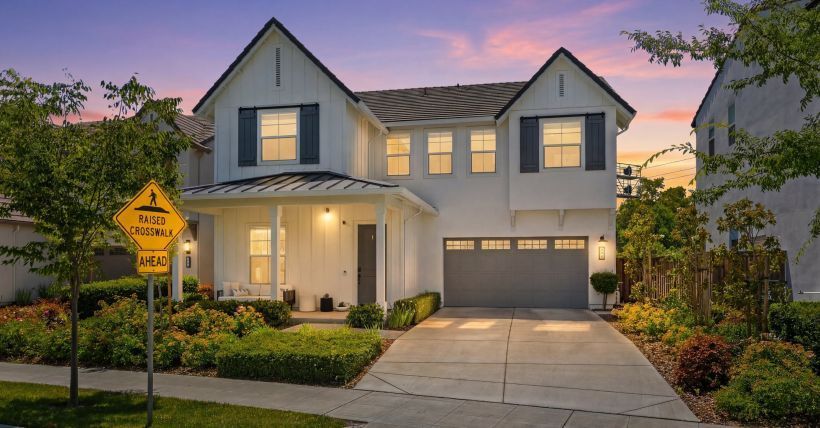
Ask any Sacramento seller what it costs to sell a house and they'll guess taxes and escrow. In practice, the line item that actually moves your net proceeds is broker compensation — everything else (transfer tax, escrow, title, recording) is real, but it's secondary, and most of it is negotiable. Here's how the costs actually break down in 2026, in the order they actually matter. "What will this cost me?" is one of the first questions every seller asks me, and it's a fair one. Sellers are usually curious about the whole list. But when we sit down at the listing appointment, the conversation almost always narrows to one thing fast: broker fees, both the listing side and whatever you choose to offer buyer representation. That's the bulk of the cost. Everything else — escrow, title, transfer taxes — is auxiliary. It matters most at the margin, especially once you're comparing multiple offers. Here's the full picture, in order. Broker Compensation: The Line Item That Actually Moves the Needle Broker fees are fully negotiable and not set by law — there's no standard or "typical" rate, whatever you've heard. Since the 2024 NAR settlement, buyer-agent compensation is no longer published on the MLS; any compensation you choose to offer a buyer's agent is separate and optional from your listing agreement. But it's not as simple as just picking a number with your listing agent at the start and moving on. A growing share of buyers want professional representation every year — buyers are facing real costs to acquire property right now, and that shapes how they shop. A good listing agent is tracking what's happening in the market in real time and telling you what compensation levels tend to produce, or reliably predict, a successful sale. Every listing is different, and locking in one fixed number on day one, before you know how the listing is actually playing out, can work against an otherwise successful outcome. That's the conversation worth having with your agent throughout the listing, not just at the start — because it's where most of your cost actually lives. The Sacramento Transfer Tax Landscape: City vs. County This is the part that trips up the most sellers, and it's genuinely local — where your property sits determines which transfer taxes show up on your escrow statement. Sacramento County Documentary Transfer Tax. Every property sale in Sacramento County, inside city limits or out, is subject to the county's Documentary Transfer Tax (DTT). Per the Sacramento County Clerk-Recorder's DTT FAQ , the rate is $0.55 for each $500 (or fractional part) of the property's value, excluding any liens or encumbrances that remain at sale — $1.10 per $1,000 of consideration, authorized under California Revenue and Taxation Code §11911. City of Sacramento Real Property Transfer Tax. If your property is inside the incorporated City of Sacramento, a second tax applies. Per the City of Sacramento's Real Property Transfer Tax page , the rate is $2.75 per $1,000 of consideration, codified under Sacramento City Code Chapter 3.12. If the tax isn't addressed in escrow, responsibility falls to the buyer by default — one more reason to make sure the allocation is spelled out in every city-limits purchase agreement. Outside city limits. If your property is in unincorporated Sacramento County, or in a separate city like Elk Grove, Folsom, or Citrus Heights, you'll see the county DTT only — not the city's additional tax. Two otherwise similar homes, one just inside city limits and one just outside, will carry different transfer tax line items in escrow. I flag this early in every listing conversation because it directly affects net proceeds. Where the 2026 rate-hike proposal stands. Sacramento's mayor had proposed raising the city transfer tax from 0.275% to 1% on sales of $1.5 million or more, to fund housing and homelessness programs. That proposal has been removed from the November 2026 ballot — per Sacramento Bee reporting — so it's not headed to voters this cycle, and the current $2.75-per-$1,000 rate stands. For what it's worth, I had real reservations about the original proposal as written: $1.5 million felt like the wrong line to draw if the goal is truly high-wealth sales rather than a lot of ordinary move-up sellers who happen to be in a pricier part of town, a full 1% is a steep jump on top of everything else buyers and sellers are already absorbing right now, and while I think funding homelessness and rental assistance is a legitimate role for the city, layering first-time-buyer down-payment assistance on top adds its own inflationary pressure to the same market it's trying to help. Worth watching if it resurfaces in a future cycle. Escrow, Title, and Transfer Tax: What Actually Gets Negotiated California closings run through a licensed escrow officer, usually affiliated with a title company, who prepares settlement statements, coordinates loan payoffs, collects transfer taxes and recording fees, and disburses your net proceeds. Here's what I typically see in Sacramento deals, though every one of these is negotiable and can shift with the market or the offer: On a city-limits sale in a non-competitive situation: the escrow fee is split 50/50 between buyer and seller, each side pays for their own title insurance policy (seller covers the owner's policy, buyer covers the lender's policy), the city transfer tax is typically split 50/50, and the county transfer tax is customarily the seller's responsibility. On a county-only sale — no city transfer tax in play — escrow again splits 50/50, each side pays their own title policy, and the county transfer tax is customarily split 50/50 rather than falling entirely to the seller. If there's an HOA involved, the seller typically picks up the HOA demand and transfer fees, along with any other transaction-specific costs like dock fees. Where this actually matters most: when you're sitting on multiple offers. In a competitive situation, I'll often counter these line items — escrow allocation, transfer tax split — to make the numbers more favorable to my seller, whether that's simply pushing up net proceeds or using it to differentiate one offer from another that's otherwise similar on price. These aren't fixed costs; they're negotiating chips. That said, plenty of sellers care less about squeezing the last few dollars out of a buyer than they do about certainty that the deal actually closes, or they're already happy with the price and terms on the table and don't want to introduce friction over a few hundred dollars in escrow allocation. It really depends on what matters most to you in that specific deal — I'll tell you where the leverage is, but which trade-offs are worth making is a conversation, not a formula. Recording fees. The deed records at the Sacramento County Recorder's office on closing day. For a standard sale where the transfer tax is declared on the same document — the typical setup — recording runs $20 for the first page plus $3 per additional page, per the County Clerk-Recorder's fee schedule . It's a modest line item, but confirm the current fee with your escrow officer since it's set locally and can change. One timing note: a Friday-afternoon closing that misses the recorder's cutoff pushes recording — and your receipt of net proceeds — to the next business day. End-of-month volume and holiday closures can do the same. For a fuller walk-through of the closing timeline itself, see what actually happens during the closing process . Disclosures: The TDS and SPQ California sellers are required to complete a Transfer Disclosure Statement (TDS) and typically a Seller Property Questionnaire (SPQ) — standard forms disclosing known material facts about the property to buyers. These don't carry a direct dollar cost, but they matter to your bottom line. Thorough, accurate disclosures reduce the odds of post-inspection renegotiation or a post-closing dispute; vague ones open the door to repair credit requests and worse. I walk every seller through both forms carefully before we go live — it protects the transaction. What's Worth Fixing Before You List Unlike taxes and recording fees, pre-listing prep is entirely discretionary — and it's also where I see sellers most often either overspend or underspend. I break it into three buckets for every listing: Definitely do: the easy items that add tangible value almost every time — painting, cleaning (interior and windows), landscaping, and a pre-listing inspection so you know your home's actual condition before a buyer's inspector finds it for you. Consider doing: the next layer up, still reasonably cosmetic but a bigger spend — replacing tile in a wet area, upgrading countertops or a backsplash in the kitchen. Whether these make sense depends on the home and the price point. Definitely don't: this one is genuinely case by case — there's no set rule or timeline, it just depends on the specific home. What lands in this bucket is usually something that won't add value beyond (or even up to) what it costs to fix, and won't meaningfully speed up the sale. I have a client right now with a large tree close to the house. Removing it might be nice to have, but the cost doesn't move the needle on price or time on market, so it doesn't make the list. I had a seller recently who did every item on the "definitely do" list — full interior cleaning including windows, a full interior paint job, staging, and front yard landscaping. The home sold in one week with multiple offers. That's not a guarantee — prep and staging alone aren't a foolproof recipe for success, you still have to get the pricing and marketing strategy right — but when the fundamentals are dialed in, the easy prep items consistently punch above their cost. Where Your Home Fits in Today's Market Prep decisions are easier once you know where your home sits relative to the neighborhood. Median sale prices across Sacramento's core neighborhoods, trailing 90 days:

The big day is almost here. You’ve already toured the home, worked through the inspection, and signed enough paperwork to write your name in your sleep. The keys are close, and your mind is probably on moving boxes, furniture, and your first night in the new place. Before that happens, there’s one more visit to make: the final walk-through. It’s your opportunity to see the home after the seller has moved out and confirm that it’s in the condition you agreed to buy. Your home inspection gave you a detailed look at the property earlier in the process. This visit focuses on what has happened since then. Were the agreed-upon repairs completed? Are the appliances and fixtures included in the sale still there? Did anything get damaged during the move? Here’s how to make the most of that final visit. Start With the Purchase Agreement You’ve covered a lot of ground since making your offer, so this isn’t the time to rely on memory. Before the walk-through, review your purchase agreement, inspection report, repair agreement, and any written notes about what is included in the sale. Take a few minutes to go over the details with your agent. What did the seller agree to repair? Is the refrigerator included? Are the window coverings staying? Should the seller be providing receipts, warranties, permits, or other paperwork? Those answers will give you a clear plan for the visit and help you focus on the details that apply to your purchase. Look Closely Once the Rooms Are Empty An empty home can look very different from the one you toured. Rugs, furniture, artwork, and boxes may have covered portions of the walls and floors during your earlier visits. Once everything has been removed, you’ll be able to see those areas clearly. Walk through each room and look for damage that wasn’t there before. Check the walls, floors, ceilings, windows, and doors. Look under sinks for leaks and around tubs and toilets for signs of water. If there has been a storm or severe weather since your last visit, pay close attention to the basement, roofline, yard, and exterior. Moving furniture may leave behind a few small scuffs or nail holes. A broken window, damaged floor, active leak, or missing fixture deserves a closer look. If you’re unsure whether something needs to be addressed, point it out to your agent and compare it with the terms of your agreement. Test the Things Included With the Home Ask your agent what you’re able to operate during the visit, then work your way through the appliances and basic systems included in the sale. Run the faucets, flush the toilets, turn on the lights, and adjust the heating or cooling controls. Open and close the windows and doors. If the oven, dishwasher, refrigerator, washer, or dryer is included, make sure it’s still there and working as expected. Remember the smaller items too. Test the garage door opener and doorbell, and look for any keys, remotes, screens, manuals, or accessories that should remain with the home. A garage door opener without its remote may sound like a minor detail until you’re standing in the driveway on moving day. Every sale is different, so let your purchase agreement determine what you check. Pay Close Attention to Completed Repairs Repairs can be surprisingly easy to lose track of after several weeks of inspections, negotiations, and paperwork. Bring the repair agreement with you and review each item one at a time. If the seller agreed to repair a door, open and close it. If a leaking faucet was fixed, run the water and check underneath the sink. If the agreement required receipts, permits, warranties, or a follow-up inspection, confirm that those documents have been provided. Some work, including electrical, roofing, and structural repairs, can’t be fully evaluated during a brief visit. In those cases, the paperwork or professional follow-up required by the agreement may tell you more than a quick visual review. Your agent can help you confirm what was promised and whether anything is still missing. Keep Going After the Main Rooms Once you’ve checked the kitchen, bathrooms, and bedrooms, it can be tempting to call it a day. There are still a few places left to visit. Walk through the garage, basement, closets, storage rooms, exterior, and yard. If an attic or crawl space is safely accessible and part of the planned visit, take a look there as well. These areas often held boxes, tools, or outdoor equipment during earlier showings. Now that they’re empty, you may notice damage or debris that was hidden before. Make sure the seller has removed their belongings as required and that any outdoor items included in the sale are still on the property. Speak Up If Something Is Wrong Finding a problem during the final walk-through can be stressful, but you don’t have to decide what it means on the spot. Take photos, make a note of where the issue is, and tell your agent right away. Your agent can compare what you found with the purchase agreement, contact the seller’s representative, and involve the lawyer, attorney, or settlement professional handling the closing when necessary. The options available will depend on your agreement and local rules. That’s why it’s important to raise any concerns before the transaction is complete. Once everything has been reviewed, you can turn your attention to the part you’ve been waiting for: getting the keys. If you’re getting close to your own final walk-through, send us your questions. We’ll help you review the details of your purchase and know what to look for before closing day.
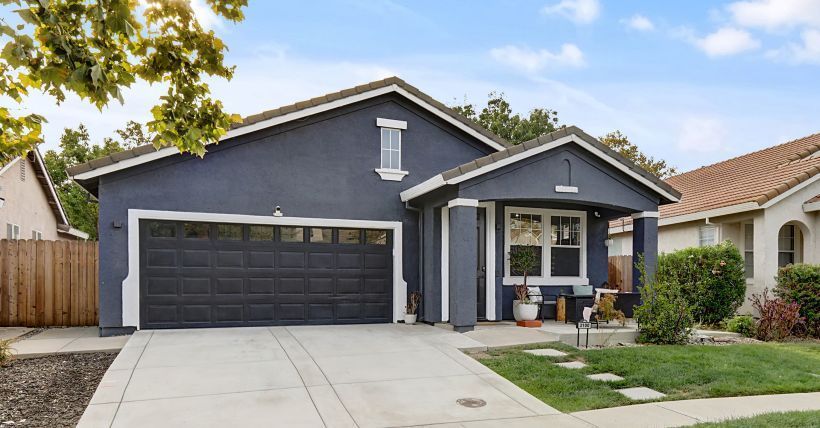
Buying and selling at the same time in Sacramento is a sequencing problem, not a market-timing problem. Line up your sale with your next purchase, use the contingency as the bridge between them, and the rest becomes manageable. Most people who want to move in Sacramento aren't starting from zero. They already own a home, they can't easily carry two payments, and they need their sale and their next purchase to line up. That's the real puzzle. Not "should I sell," but "how do I buy the next one and sell this one without ending up either homeless or holding two mortgages." The tool that bridges those two transactions is the contingency, and how you use it makes or breaks the move. Can you buy and sell a home at the same time in Sacramento? Yes, and most sellers who are also buying do exactly that. The move hinges on sequencing: whether you sell first, buy first, or tie the two together with a contingency. In today's Sacramento market, where the core neighborhoods are selling in roughly three weeks, your current home usually isn't the hard part. Lining up the replacement is. Key Takeaways If you're moving, the contingency isn't paperwork you react to. It's a tool you use on purpose to keep from being homeless or double-paying. The core Sacramento neighborhoods are moving fast right now. East Sacramento and the 95818 area (Land Park and Curtis Park) are both sitting near 23 days on market with about two months of supply, so your sale probably isn't the bottleneck. The Downtown and Midtown urban core moves slower, around 75 days and 3.22 months of supply, which changes your timing math if that's where you're buying or selling. A home-sale contingency is only as strong as how far along the underlying sale is. Already in escrow is a different situation than "not listed yet." You can take a contingent offer on your home and still hold backup offers. That's standard practice here, and it's your safety net. The real question isn't the offer. It's the sequence. When you own a home and want to buy another, you've got three basic paths, and each one carries a different risk. Sell first. You list, you close, and you buy with cash in hand and no contingency on your offer. The upside is you're the strongest possible buyer. The downside is the gap. Once your home closes, the clock is running on finding a place before your rent-back or temporary housing runs out. Buy first. You lock in the next home, then sell yours. The upside is you never scramble for somewhere to live. The downside is real money. You either carry two payments for a stretch or you lean on a bridge loan, and if your sale takes longer than planned, that pressure builds. Bridge the two with a contingency. You write an offer on your next home that's contingent on selling yours, or you accept an offer on your home that's contingent on your buyer selling theirs. This is the middle path, and it's where most Sacramento movers land. It's also where the details matter most, because a loosely structured contingency is how a clean move turns into a stalled one. My sense, after walking a lot of clients through this, is that the sequence question gets decided less by preference and more by the numbers in your specific neighborhood. If your next home is a new build, the timing carries an extra layer, since you're also waiting on a builder's schedule. I break that down in timing a new construction buy-and-sell in Sacramento . For everyone else, start with the resale numbers. What the numbers say about timing your move Here's where the core Sacramento neighborhoods stand right now.

Knowing what to leave behind isn’t always obvious when you’re selling a home with smart devices. You bought the doorbell and set it up on your phone, so you may think of it as something you’ll bring to your next place. A buyer may see it beside the front door and expect it to stay. We can help you work through that before your home goes on the market. You don’t need to have everything decided before we talk. A walk through the house together gives us a chance to discuss what you’d like to keep and make sure buyers understand what’s included. For anything you’re leaving behind, you’ll also want time to find out how to disconnect your accounts and prepare it for someone new to use. Here’s how we can help you get started with your Sacramento Metro home. Let’s Talk About What You’d Like to Keep Before photography and showings, let us know about any devices you’d like to take with you. We can discuss whether to remove or replace them before buyers visit and help make sure the written agreement reflects what you intend to leave. Perhaps you recently installed a thermostat you’d like to use in your next home. Bringing that up early lets us address it before someone makes an offer expecting it to stay. The same conversation can cover the accessories that belong with the equipment, so you know what to set aside when you eventually start packing. As we go through the house, the apps on your phone can help us remember what’s installed. The doorbell you use every day will probably come to mind quickly. A leak sensor under the sink may be easier to overlook until you see it in the app. We can also talk through how everything connects. Smart lights may depend on a small hub beside your router, for example. Accounting for that hub along with the lights helps make sure the buyer receives what they need to use the features included in the sale. A few notes about the brands and models will come in handy when you’re looking for instructions later. Taking a photo of a label while it’s accessible can save you another trip behind an appliance. Preparing the Devices You’re Leaving Once you know what’s staying, you can look into how to prepare it for a new owner. Your doorbell may remain beside the front door while its recordings and notifications are still connected to your phone. The manufacturer’s ownership-transfer instructions will explain what needs to happen. Removing a device from an app doesn’t always complete the process, and a factory reset may be only one of the steps. Finding the instructions early gives you time to contact support with questions. A paid recording plan needs attention, too. The provider can explain how to end or transfer your subscription and what the buyer will need to arrange. Keeping that answer with your device notes means you won’t have to search through emails when you’re ready to make the change. Financed or leased equipment needs an earlier conversation with us. Bring any agreements for equipment such as solar panels or battery systems while we’re preparing to list. We can help identify what needs to be addressed during the sale and who can answer questions about the terms. We Can Work Out the Timing Together You can gather the instructions while continuing to use your home as usual. You’ll probably still want the smart lock working while you’re coming and going, so we can coordinate when to remove your access and prepare it for the buyer. Some transfer steps require an internet connection. Checking that before scheduling your service cancellation helps you avoid disconnecting too soon. Giving yourself a little extra time also leaves room to contact support when a device doesn’t respond as expected. Before resetting equipment, save any camera recordings you want to keep. Remember guest codes and access shared with other members of your household as you follow the manufacturer’s process. Your personal passwords should stay private, with the buyer setting up their own account. As you finish, gather the manuals and setup information somewhere easy to find. A short note explaining where the hub is plugged in or how to operate a device manually can help the buyer get started. Think about what you had to figure out when you first installed it. Those are often the details someone new will appreciate. We can also refer back to the agreed inclusions with you before the last boxes are packed. That gives us a chance to make sure remotes and other accessories stay with the equipment they belong to. Whether a move is coming soon or you’re just thinking ahead, you’re welcome to ask us about your Sacramento Metro home. Bring us your questions about what to keep and what to leave, and we’ll work through them together.
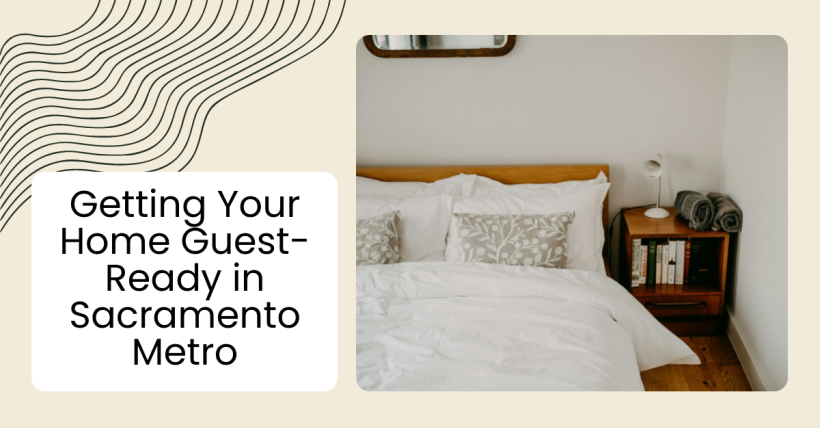
If you’ve ever been the first person awake in someone else’s house, you’ve probably wondered whether to start the coffee or wait for your host. You can feel completely welcome and still be unsure about opening a cupboard or choosing a towel, and your own guests may feel the same way when they visit you in Sacramento Metro. We’ve gathered a few ideas to help you get ready for your own overnight guests, whether they’ll have a room to themselves or you’re turning the living room into a bedroom for the weekend. Make Room for Their Things Start with a place where your guests can leave their suitcase open. A bench or luggage rack works well, and a sturdy chair is useful if that’s what you have. For a short visit, a few hangers and a hook for a jacket may be all the extra storage they need. If they’re staying longer, clearing a drawer lets them unpack a little more. Guests using a sofa bed or air mattress will appreciate somewhere to keep their things during the day, too. A small basket works for a towel, toiletries and a charger, and they can carry it into the bathroom when they need it. Beside the bed, leave room for a book, glasses and a drink of water. You can borrow a side table from another room or pull up a chair for the weekend. If you’ll be putting the bed away each morning, choose a place to keep all of the bedding together. A large basket or an empty shelf will do until it’s time to make up the bed again. Think Through the First Night As you’re showing guests around, mention the things you do without thinking, such as locking the front door or setting the alarm before bed. You can show them the bathroom and where to get a glass of water along the way. It’s also helpful to point out a pet gate, a steep staircase or a hallway light that’s hard to find. A phone charger is easy to forget when you’re packing, so leave a spare near the bed if you have one. Check that there’s an outlet within reach and a lamp guests can turn off once they’re under the covers. We also recommend leaving the Wi-Fi password on a desk or nightstand for easy access. In a shared bathroom, setting out a towel and washcloth for each person takes away any uncertainty about which ones to use. Leave a little space beside the sink for their toiletries and extra toilet paper where they can find it. A spare toothbrush, toothpaste, shampoo and soap are helpful if someone realizes they’ve forgotten something after the stores have closed. Help Them Get Comfortable People have different ideas about the right temperature for sleeping. An extra blanket at the end of the bed and a fan nearby give your guests some options without having to search through the house at night. If you have a choice of pillows, ask which they’d prefer while you’re showing them the room. You can explain how to adjust the thermostat or room controls then, too. Then there’s the morning light. An office can feel perfectly comfortable during the day and be bright enough to wake someone at sunrise. If you don’t usually sleep in the room, take a look at how well the curtains or blinds cover the window. For getting around after dark, keep the path to the bathroom clear and leave a night-light along the way. Make Mornings Easy It’s much easier to make yourself at home in someone’s kitchen once you know which cupboard holds the mugs. Before bed, show your guests where you keep the coffee, tea and breakfast food, and invite them to help themselves in the morning. If the coffee maker has a personality of its own, a quick demonstration is a good idea. If you enjoy making breakfast when you have company, let guests know roughly when you’ll eat. Fruit, granola bars or bread for toast will tide over anyone who wakes up hungry. And if the kitchen gets busy early with the rest of your household, mentioning that the night before helps visitors know what to expect. Make Space for Downtime After a morning out together, your guests might enjoy an hour with a book or a walk on their own before dinner. Share any plans for meals and outings so they know when you’re getting together and when they can do their own thing. For someone who’d like to explore, you could recommend your favorite coffee shop, share a few restaurant menus or suggest a nearby walking path. A puzzle on the coffee table is a nice option for time at home. Guests can work on it while you finish getting ready, and anyone can join in later. Apartment Therapy calls this a “home base”: a shared spot with a puzzle or game people can come back to throughout the visit. A few magazines nearby offer something for anyone who’d prefer to read. We hope you enjoy the extra time with friends and family. If you’d like recommendations for restaurants or places to visit while they’re here, we’re happy to share a few local favorites.

Land Park is having a solid year. Through September 22, 143 homes have sold in the Land Park/Curtis Park MLS area, up from 137 at this point in 2025. The median sale price is $780,000, up 7.6%, and homes are going under contract faster. But the year has come in two parts: a busy spring when mortgage rates dipped, and a quieter summer as rates climbed back up. Here's what that means for Land Park and Curtis Park heading into fall. Key Takeaways Year to date, Land Park/Curtis Park sales are up 4% (143 vs. 137), and the median sale price is up 7.6% to $780,000. Price per square foot is holding steady at $530, about the same as last year's $526. Homes are selling faster, averaging 25 days on market this year compared to 31 in 2025. Spring was unusually busy and summer was quieter. My sense is rising mortgage rates are the main reason. This summer's homes sold for 100.1% of their original list price on average, up from 98.0% last summer, and half sold above their original asking price. Land Park is a two-speed market. Homes priced right from day one sold quickly. Overpriced homes sat and cut. Data: MetroList MLS, Land Park/Curtis Park MLS area (95818, including Crocker Village). Year-to-date figures run January 1 to September 22. Summer figures cover June 24 to September 22, 2026 vs. the same period in 2025. What's happening in the Land Park real estate market right now? Land Park is steady to strong. Prices are holding, sales are slightly ahead of last year, and the typical home is selling almost a week faster than it did in 2025. What stands out is when those sales happened. Roughly 105 homes closed between January and late June, compared to about 72 in the same stretch last year. Then summer slowed down. Only 38 homes closed from late June through September 22, compared to 65 last summer. One note on geography. These numbers cover the Land Park/Curtis Park MLS area, which also includes Crocker Village. Crocker Village is mostly newer construction on smaller lots, which pulls the area's average price per square foot down compared to older homes near the park. When I price a specific home, I narrow it to the blocks and housing stock that actually compete with it. Why was spring so busy and summer so slow? My sense is it comes down to mortgage rates, and specifically which direction they were moving. Rates were friendly this spring. In late April, the 30-year fixed fell to 6.23%, which Freddie Mac described as the lowest level in the last three spring homebuying seasons. Land Park buyers moved, and the first half of the year was busy. Then rates turned. By mid-July the 30-year fixed had risen to 6.55%, and Freddie Mac noted that purchase application demand had weakened. Rates kept climbing, and in mid-September they reached 6.95%, a 19-month high, according to Freddie Mac's weekly survey . It isn't just the rate itself. Rates were actually higher last July, around 6.72%, and Land Park still had a busy summer. My experience tells me direction matters more than the number. When rates fall, buyers jump in. When rates rise, many wait to see where things settle. Closings also trail contracts by 30 to 45 days, so this summer's closings reflect deals written right as rates started to climb. Did the slower summer hurt prices? No. The homes that did sell this summer did well. They averaged 100.1% of their original list price, up from 98.0% last summer. Half closed above their original asking price, compared to 31% last summer. The median home went under contract in just 10 days. Fewer buyers were active, but fewer homes were for sale too. Well-priced homes still drew strong interest. Land Park is a two-speed market This is the most useful stat for anyone planning a move. Of the 38 homes that sold in Land Park/Curtis Park this summer, 27 went under contract in less than 40 days, and only one of those 27 ever cut its price.

When you find a home you're excited about, you start working through the numbers. You've talked about the mortgage payment, looked up the property taxes and thought about what you'll spend getting settled. Somewhere between measuring for the sofa and planning the move, home insurance needs a place in that conversation. If you're house hunting in Sacramento Metro, this is one of those details that's easy to push toward the bottom of the list, even though it shapes what owning that particular home will actually cost you. Getting a quote early helps you understand what owning that particular home will cost. It also gives you time to ask about coverage and find out whether the insurer needs more information before agreeing to insure it. You don't need to become an insurance expert to make a confident decision. A conversation with an insurance professional, while you're still considering the home, is a good place to begin. Start Asking While You're Considering the Home Once a property becomes a serious option, contact an insurance professional about a quote. Having the address and listing information ready will help you get the conversation started. Explain that you're considering a purchase and ask what else they'll need. This belongs alongside the other questions you're asking about the home. The Consumer Financial Protection Bureau encourages buyers to consider insurance availability and cost during their search, particularly when a property is in an area with disaster risk. We'll help you identify the dates that matter under your purchase agreement and local process. Share those dates with your insurance professional so there's time to address questions before you reach a decision deadline. An early quote also gives you something concrete to discuss. If the cost is higher than you expected, you can explore the reasons and compare options while you're evaluating the purchase. Get to Know the Details Behind the Quote The features you notice during a showing aren't necessarily the ones an insurer needs to understand. You're looking at the kitchen layout and wondering whether the dining table will fit. The insurer is asking about the roof, heating system and electrical updates. Those questions help establish the home's condition and the cost of insuring it. Location matters, too, including exposure to severe weather and access to fire protection. You won't have every answer after a showing. We'll help you request missing property information so you don't have to guess when an update was completed. Explain how you intend to use the home to your insurance professional as well, including any plans to rent part of it or leave it unoccupied while you renovate. As we work through the inspection with you, share relevant findings with your insurance professional. If the report identifies an issue with the roof or another system, ask whether it changes the quote or creates a repair requirement. Getting the answer early lets us discuss it alongside your other inspection questions. Look Beyond the Premium When quotes arrive, it's natural to look at the price first. Before choosing one, have the insurance professional walk you through what you'd receive for that amount. Start with the deductible: the portion you're responsible for when a covered claim occurs. Then ask about exclusions, coverage limits and whether particular types of damage have different deductibles. Flooding and sewer backup are useful examples to discuss because the source of the water matters to the coverage. Ask which protection is included and what additional options are available for the property. The rebuilding estimate deserves an explanation, too. Your purchase price includes the land and the home's location in the real estate market. Insuring the building involves estimating the cost to rebuild it, which is a different calculation. Coverage for your belongings needs its own consideration. Comparing quotes with similar limits and deductibles makes the price differences more meaningful. The CFPB's insurance-shopping guidance recommends getting written quotes and comparing both cost and coverage. Put the Quote Into Your Budget With a property-specific quote in hand, you can replace the general insurance estimate in your housing budget. If you've been given an annual premium, divide it by 12 to see how it fits alongside your other monthly expenses. Confirm the payment options and any installment charges with the provider. If your lender's payment estimate already includes insurance, update that allowance so you don't count the expense twice. Think about the deductible separately. Would you be comfortable paying that amount from savings if you needed to make a claim? That's a useful question when comparing a lower premium with a higher deductible. The goal is to understand the ongoing cost of the home well enough to feel comfortable with the commitment. Confirm Everything Before the Purchase Is Complete Once you've chosen a policy, ask what remains to put coverage in place. A quote is a starting point; you still need confirmation that the insurer has accepted the required information and that any outstanding conditions have been addressed. Confirm the effective date with your insurance professional and the people handling your purchase. Let them know if closing or possession arrangements change, and check that your lender receives the proof it requires. If you've found a home you're excited about, we'll help you gather the property details for an insurance quote and work through the dates that matter in your purchase. Your insurance professional can explain the coverage options, giving you a fuller picture of the home you're getting ready to buy.